


What Makes Karate Different From Other Martial Arts?

If you’re thinking about starting a martial art, it doesn’t take long to realise there are plenty of options.
Boxing, Brazilian jiu-jitsu, Muay Thai, kickboxing — each with its own style, focus, and approach to training.
So where does karate fit in?
And more importantly, what makes it different?
At Soaring Eagle Karate, we teach traditional karate in a way that blends structure, practical movement, and personal development. While every martial art has value, karate offers a distinct approach that suits many adults particularly well.
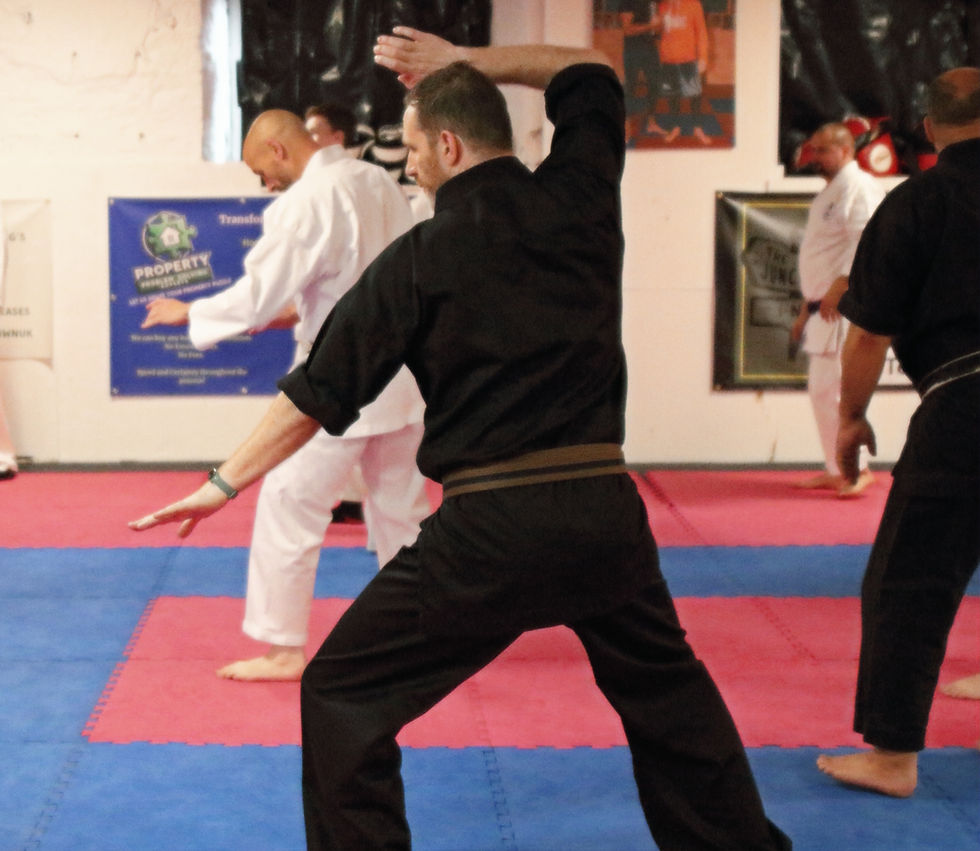
A Balance of Structure and Freedom
Karate is built around a clear structure.
Classes follow a consistent format, and techniques are taught progressively. This helps beginners feel comfortable and understand how they’re improving over time.
At the same time, karate isn’t rigid. As students develop, they learn how to adapt movements, apply techniques, and refine their own style.
This balance between structure and flexibility is one of karate’s key strengths.
Focus on Technique Over Force
Many martial arts place a strong emphasis on strength, power, or physical dominance.
Karate takes a slightly different approach.
Training focuses on:
Timing
Distance
Control
Efficiency of movement
Rather than relying on strength alone, students learn how to move effectively and apply techniques with precision.
This makes karate accessible to adults of all sizes, ages, and fitness levels.
Striking With Control and Awareness
Karate is a striking-based martial art, but it is taught with a strong emphasis on control.
Students learn:
How to deliver techniques safely
How to control distance
How to avoid unnecessary force
This controlled approach helps create a safe training environment while still developing practical skills.
The Role of Kata (Forms)
One aspect that makes karate unique is the use of kata — structured sequences of movement.
At first glance, kata might look like a series of choreographed techniques. In reality, they serve several important purposes.
Kata helps develop:
Coordination and balance
Memory and focus
Understanding of movement
Attention to detail
For many adults, kata becomes one of the most engaging parts of training, combining physical movement with mental challenge.
A Long-Term Approach to Training
Some martial arts focus heavily on competition or short-term goals.
Karate takes a more long-term view.
Progress is built over time through:
Consistent practice
Gradual improvement
Clear milestones such as gradings
This makes karate particularly appealing to adults looking for something sustainable, rather than a short burst of activity.
Personal Development Alongside Physical Training
Karate has always placed importance on character as well as technique.
Training encourages:
Discipline
Respect
Focus
Confidence
These qualities develop naturally through consistent practice, rather than being taught separately.
A Supportive Training Environment
Another key difference is the atmosphere within a karate dojo.
While every martial art has its own culture, karate often emphasises:
Mutual respect
Controlled training
Encouragement rather than ego
For beginners, this can make a big difference. The environment feels welcoming rather than intimidating.
Why Many Adults Choose Karate
For adults comparing different martial arts, karate often stands out because it offers:
A balance of fitness and skill
Structured progression
Mental engagement as well as physical training
A supportive and respectful environment
It’s not about choosing the “best” martial art — it’s about finding the one that fits you.
Final Thoughts
Every martial art has its strengths, and the right choice depends on what you’re looking for.
Karate offers a unique combination of structure, control, progression, and personal development that continues to make it relevant today.
For many adults, that balance is exactly what makes it so rewarding.
Curious to Try Karate for Yourself?
The best way to understand what makes karate different is to experience it.
We welcome adults of all experience levels and offer trial classes so you can step onto the training floor, meet the instructors, and see how it feels — with no pressure and no obligation.


Comments